Projects

TetrisWorld: Learning a Neural Simulator for Tetris

Undergraduate  TetrisWorld: Learning a Neural Simulator for Tetris

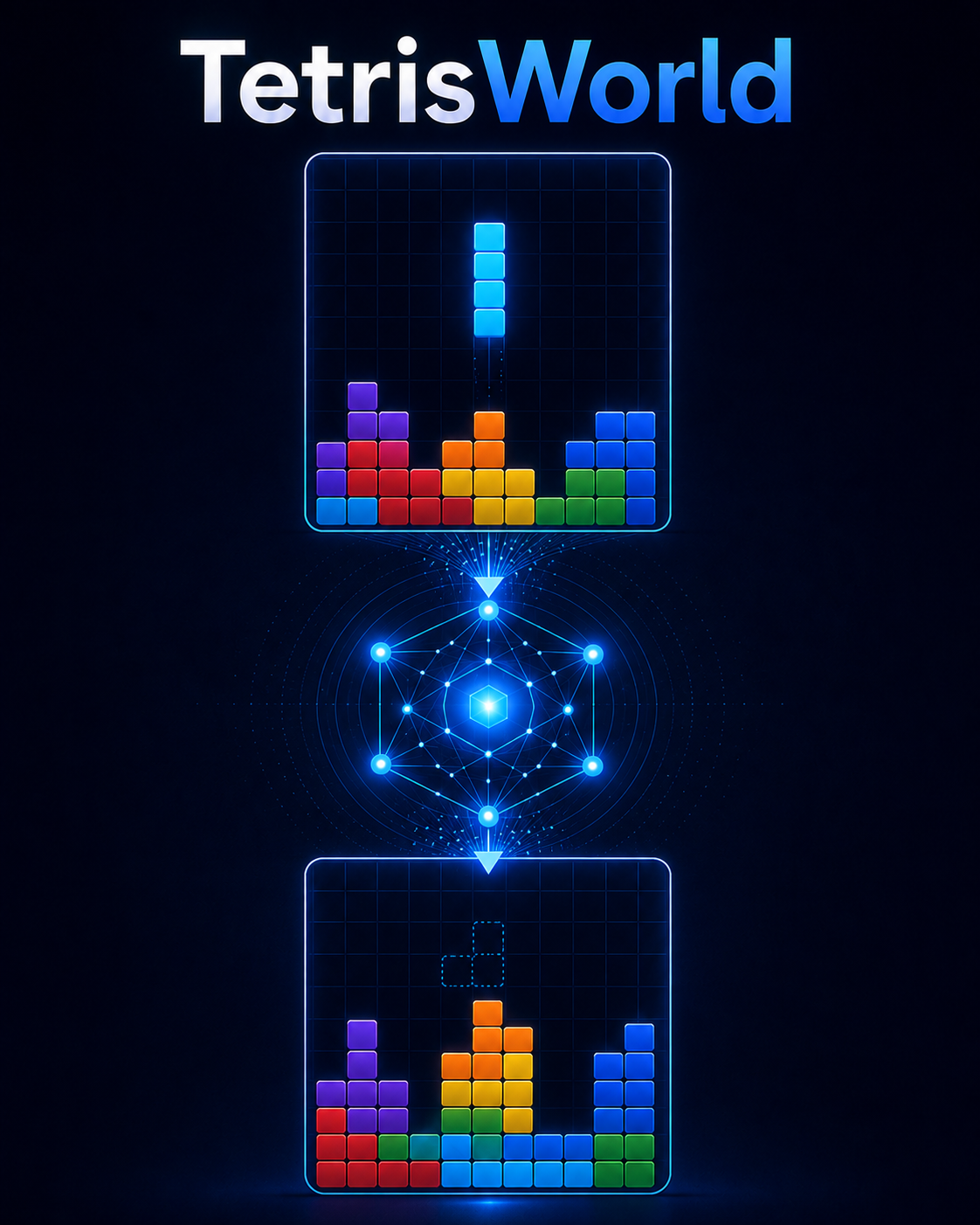
World models are neural networks that learn environment dynamics from observed state transitions, predicting the next state from the current state and an action. This project explores world models using Tetris as a compact and deterministic testbed, where the true game dynamics are exactly known and predictions can be evaluated precisely. The student will implement a simplified Tetris simulator and use it to generate state-action-next-state training data, including important events such as line clears, wall interactions and near top-out states.
    
World ModelsSimulation
TetrisWorld: From World Models to Action Planning

Postgraduate  TetrisWorld: From World Models to Action Planning

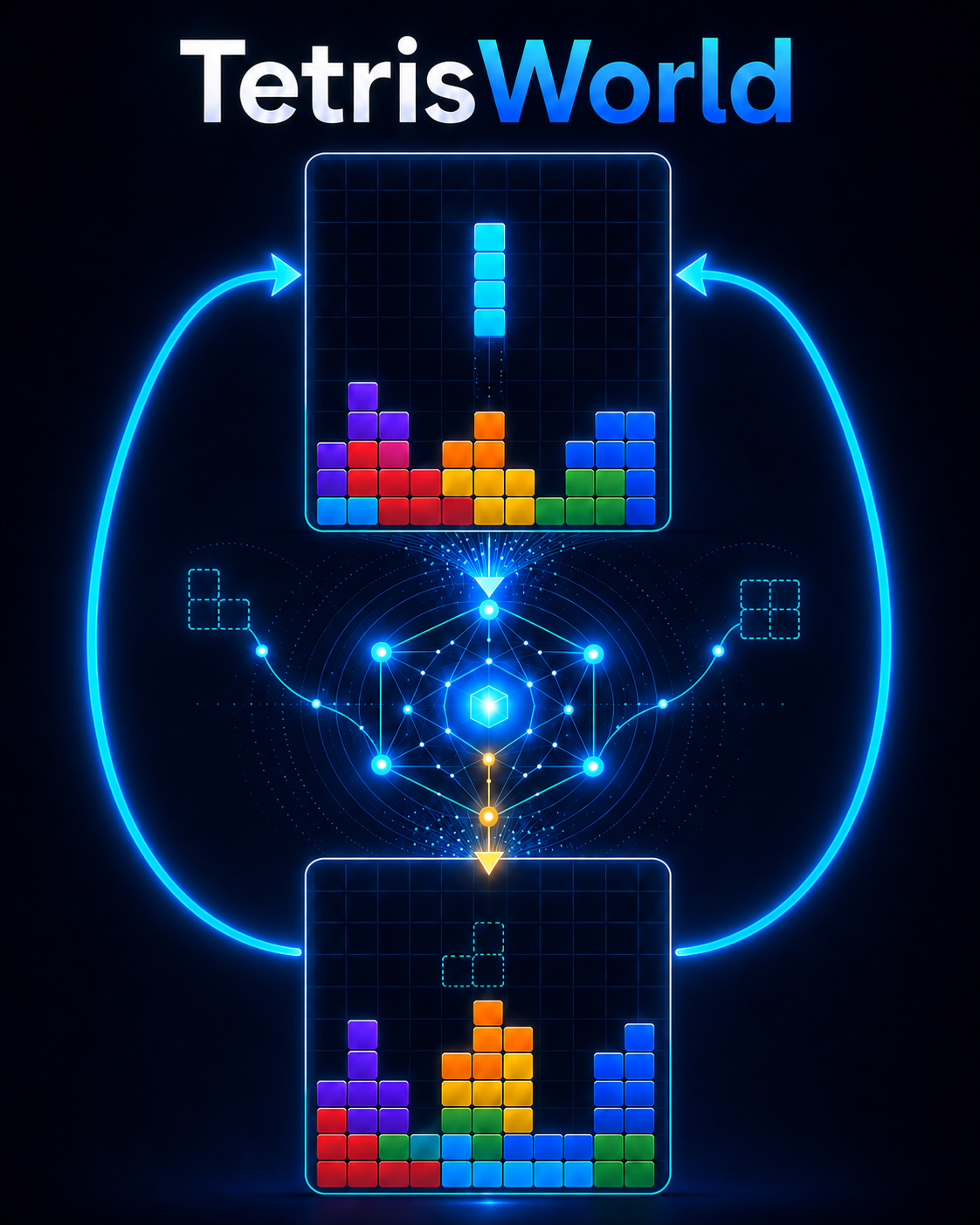
This advanced postgraduate project extends TetrisWorld from learning game dynamics to planning actions with a frozen world model. The student will train and systematically evaluate a neural Tetris simulator, then investigate whether it can reliably plan towards goals such as clearing a line without retraining its dynamics. Planning methods may include model-predictive control or beam search. Experiments will compare predicted plans with execution in the exact simulator, measuring planning success, search cost and robustness, and analysing how prediction errors affect decision-making.

    
World Action ModelsSimulationAction Planning
AWC: Agent Workload Characterization Tool

Undergraduate  AWC: Agent Workload Characterization Tool

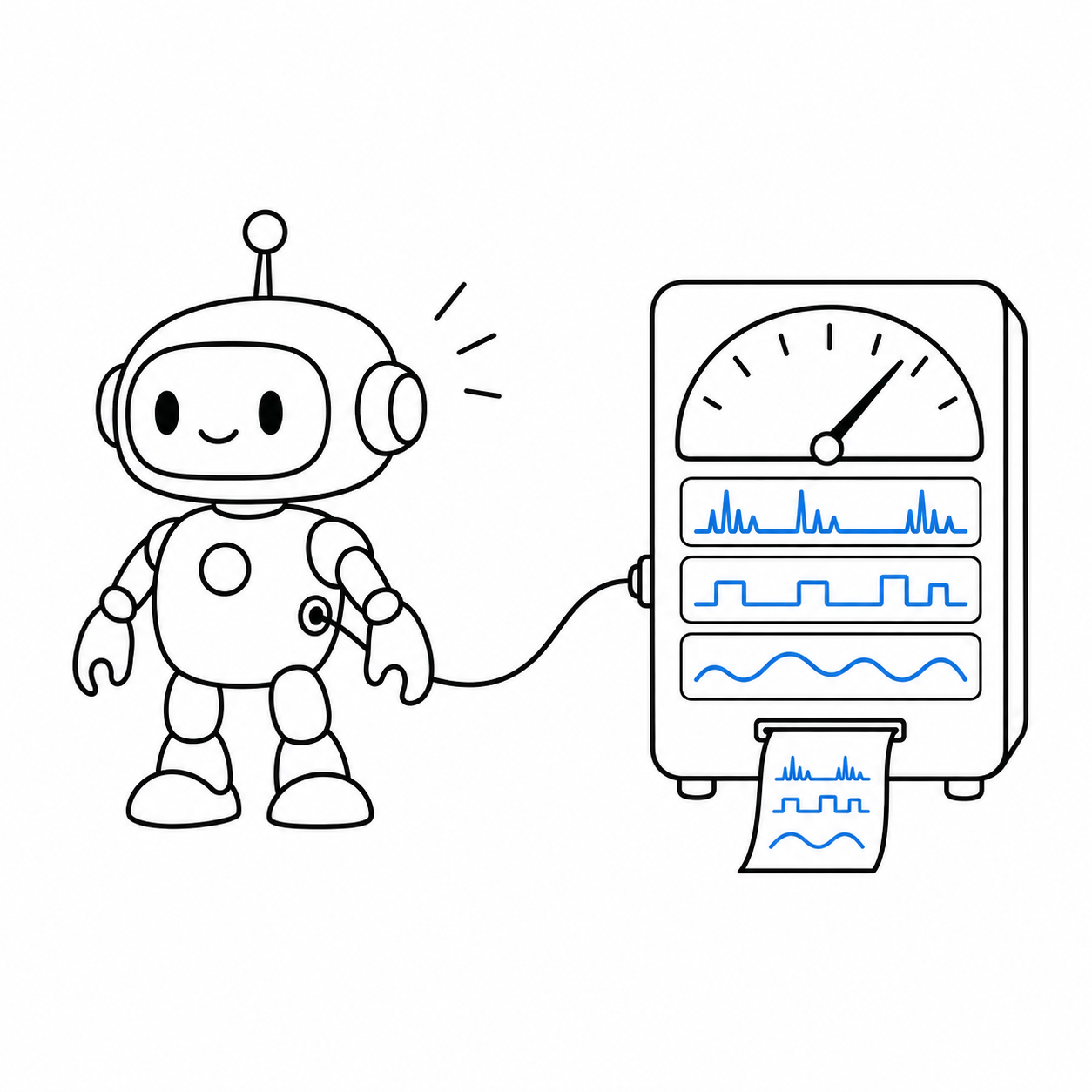
This project studies how coding and research agents use LLMs, tools, and system resources during complete tasks. The student will collect execution traces, examine variation across runs, and build a tool that turns selected traces into repeatable workloads. Comparing those replays with the original runs will show how faithfully they reproduce performance demands and where bottlenecks arise.

    
AI AgentsAI InfraSimulation
Near-Memory KV Attention for Multi-Agent Inference

Postgraduate  Near-Memory KV Attention for Multi-Agent Inference

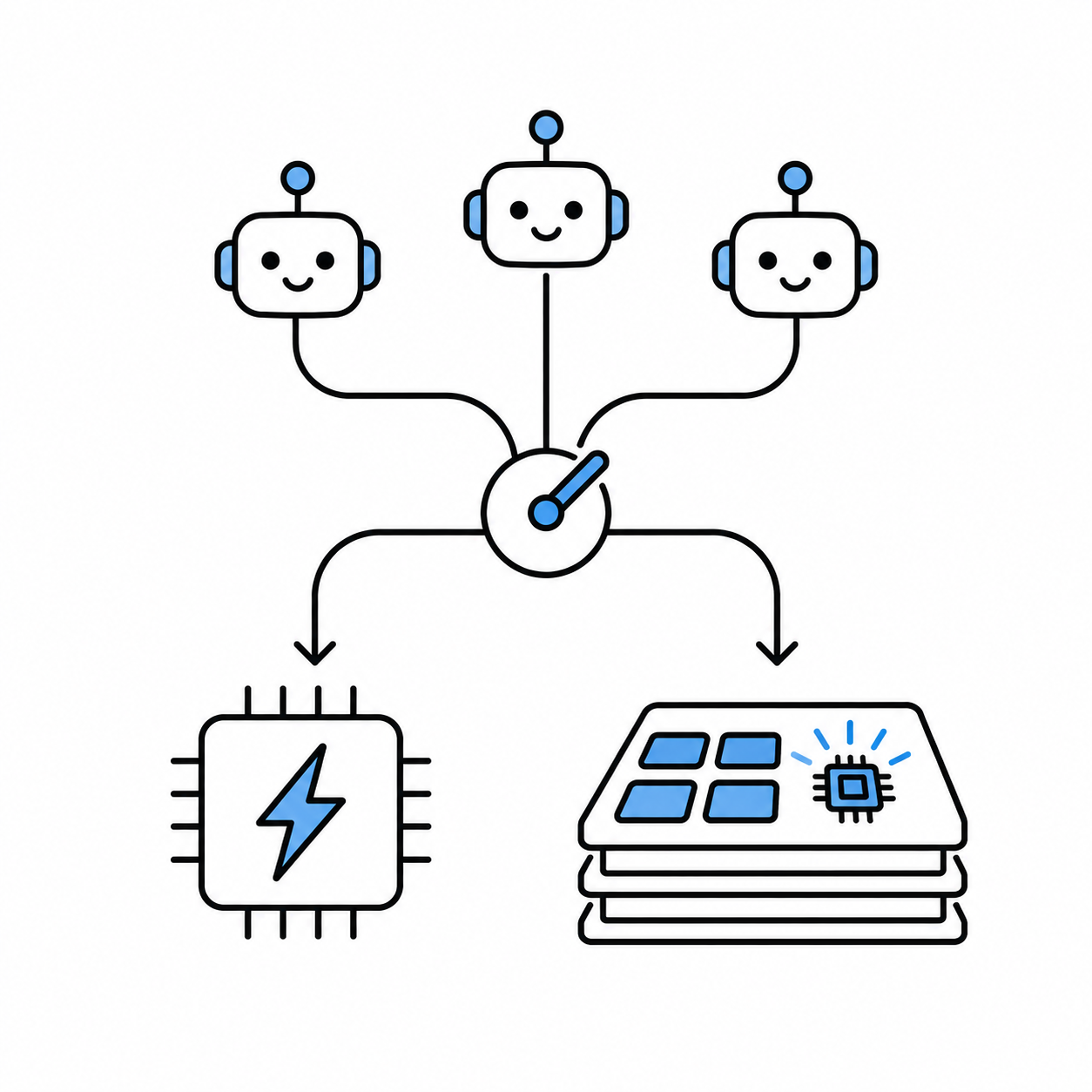
This project asks when near-memory processing of the KV cache improves local multi-agent LLM inference compared with execution on a GPU or NPU. The student will extend a simulator to study how agent concurrency, context length, tool pauses, attention design, and memory bandwidth affect performance. They will then develop a policy that chooses where to run KV attention and identify the conditions under which near-memory execution helps or hurts.

    
AI AgentsProcessing-in-MemorySimulation